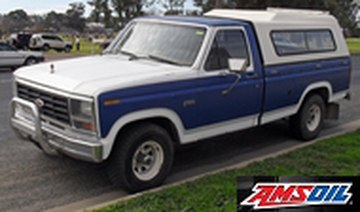
Maintaining Lubrication Standards for the 1981 Ford Trucks F250 5.0L
Proper engine maintenance is a cornerstone of long-term vehicle health, particularly for a truck that has been in operation for several decades. For the 1981 Ford Trucks F250 equipped with the 5.0L engine, staying proactive with lubrication services helps ensure the mechanical components continue to operate as intended. While modern vehicles often rely on automated monitoring systems, older platforms benefit significantly from hands-on inspection and a disciplined approach to fluid management.
Monitoring Fluid Integrity and Condition
Regularly checking the condition of your engine oil is one of the most effective ways to monitor the internal state of the 5.0L engine. Rather than simply looking at the level, an observant owner should examine the physical characteristics of the lubricant. If the oil appears excessively dark or contains visible particulates, it may indicate that the service interval has been exceeded or that there is increased wear occurring within the system.
When performing a routine check, look for any signs of unexpected changes in the fluid's appearance. For example, if the oil takes on a milky or frothy consistency, this can be associated with coolant entering the lubrication system, which warrants immediate investigation. Similarly, an unusual odor coming from the crankcase might indicate that something has been introduced to the oil that should not be there. Because symptoms like these can have multiple underlying causes, they should be treated as indicators for a more thorough mechanical inspection rather than definitive diagnoses of a specific part failure.
Observing Potential Warning Signs
Maintaining an older truck requires a keen eye for subtle changes in how the vehicle operates. While many issues develop slowly, some can manifest through clear physical evidence. It is useful to perform periodic visual inspections around the engine bay to identify any signs of seepage or leakage. If you notice fluid accumulating on the underside of the engine or dripping onto the ground after the vehicle has been parked, it is important to locate the source.
Inspect various gaskets and seals for evidence of age-related seepage. Even if a leak is not currently a heavy drip, small amounts of oil appearing on sealing surfaces can eventually lead to significant fluid loss. Additionally, keep an eye out for any unusual mechanical noises that coincide with engine operation. While some noise is expected in older engines, sudden or rhythmic changes in sound should be investigated to ensure the lubrication system is performing its job effectively. If a warning light or indicator appears on the dashboard, do not ignore it; such signals are critical prompts to check fluid levels and overall engine health immediately.
Prioritizing Maintenance Based on Current Condition
For owners of a 1981 Ford Trucks F250, maintenance should be driven by the actual condition of the vehicle rather than just the passage of time. If you have recently acquired the truck and do not have access to a comprehensive service history, establishing a maintenance baseline is a logical first step. This involves performing a thorough inspection of all fluids, filters, and accessible engine components to determine their current state.
Once a baseline is established, you can prioritize tasks based on what the vehicle actually needs. For instance, addressing an active leak or replacing a heavily contaminated filter should take precedence over general preventive measures. Keeping detailed records of every oil change, filter replacement, and observed repair is invaluable. These records allow you to track patterns—such as how quickly the oil is being consumed or if certain components require more frequent attention—which helps in making informed decisions about future service needs.
Inspecting Peripheral Engine Components
While engine oil is a primary focus, the systems surrounding the engine also play a role in overall maintenance. If equipped, inspect accessible drive belts for signs of deterioration such as cracking, glazing, or fraying. Similarly, if the vehicle is present with various rubber hoses, check them for softness, swelling, or visible cracks. These components are subject to heat and age, and their condition can impact how well the engine manages its operating environment.
Electrical connections and wiring should also be checked periodically. Ensuring that connectors are clean and secure helps prevent erratic signals from sensors that might otherwise provide misleading information about engine performance or fluid status. By taking a holistic view of the engine compartment, you ensure that the environment in which the 5.0L engine operates remains stable and well-maintained.
The Role of Consistent Lubrication Management
Consistent management of the lubrication system is essential for reducing friction and managing the thermal loads generated during operation. Even in an older engine, the oil performs several vital roles, including helping to dissipate heat and providing a barrier between moving parts. When the lubricant is fresh and meets the correct specifications, it helps maintain the integrity of the internal components.
Over time, lubricants can undergo oxidation or become contaminated by combustion byproducts, which reduces their effectiveness. This is why adhering to a consistent service routine is so important. By ensuring that the oil is replaced before its protective properties are exhausted, you help prevent the buildup of deposits and sludge that can interfere with the smooth operation of the engine. For high-mileage engines, some owners may choose to look into specific formulations that include seal-conditioning additives, which are intended to assist with aging seals.
Practical Advice for Buying Engine Oil for your 1981 Ford Trucks F250 5.0L
When it is time to replenish your engine oil, the most important step is to ensure that the product you select matches the specific requirements of your application. Do not rely on general assumptions about what an older truck might need; instead, match the engine oil to the application-specific viscosity information already displayed on this webpage.
Before making a purchase, carefully check the product labeling to verify that the oil meets the appropriate API certification for your needs. You may encounter various options, including conventional, synthetic blends, or full synthetic oils. While different formulations offer varying levels of thermal stability and deposit control, you should select the one that aligns with the technical data provided in your vehicle's specific information section. Always verify that the viscosity grade on the bottle is exactly what is called for in the application details shown above to ensure optimal performance and protection for your 5.0L engine.